The Ultimate Guide to Planning a Charity Auction That Maximizes Revenue
Planning a charity auction is one of the most powerful ways a nonprofit organization can generate significant fundraising revenue in a single evening. But successful nonprofit fundraising events don’t happen by accident.
They are designed.
They are sequenced.
They are intentional.
Too often, organizations focus on décor, entertainment, and the number of auction items — while overlooking the structural decisions that truly determine revenue outcomes.
This guide walks you step-by-step through how to plan a high-performing nonprofit fundraising event, whether you are hosting a gala fundraiser, benefit auction, or mission-driven celebration.
We’ll cover:
Charity auction planning fundamentals
Gala fundraising strategy
Auction timeline and run-of-show structure
Donor psychology and engagement
Silent vs. live auction strategy
Paddle raise optimization
Revenue forecasting and budgeting
If you are planning a nonprofit gala this year, this is your roadmap.
Why Charity Auctions Remain One of the Most Effective Fundraising Events
A well-executed benefit auction accomplishes three things at once:
Raises significant unrestricted revenue
Deepens donor relationships
Elevates your organization’s visibility
Unlike peer-to-peer campaigns or grant cycles, a charity auction compresses momentum into a focused, emotionally charged experience.
But that compression requires structure.
When organizations partner with experienced teams like Giving4Good, they quickly discover that revenue is rarely about “having enough items.”
It’s about strategy.
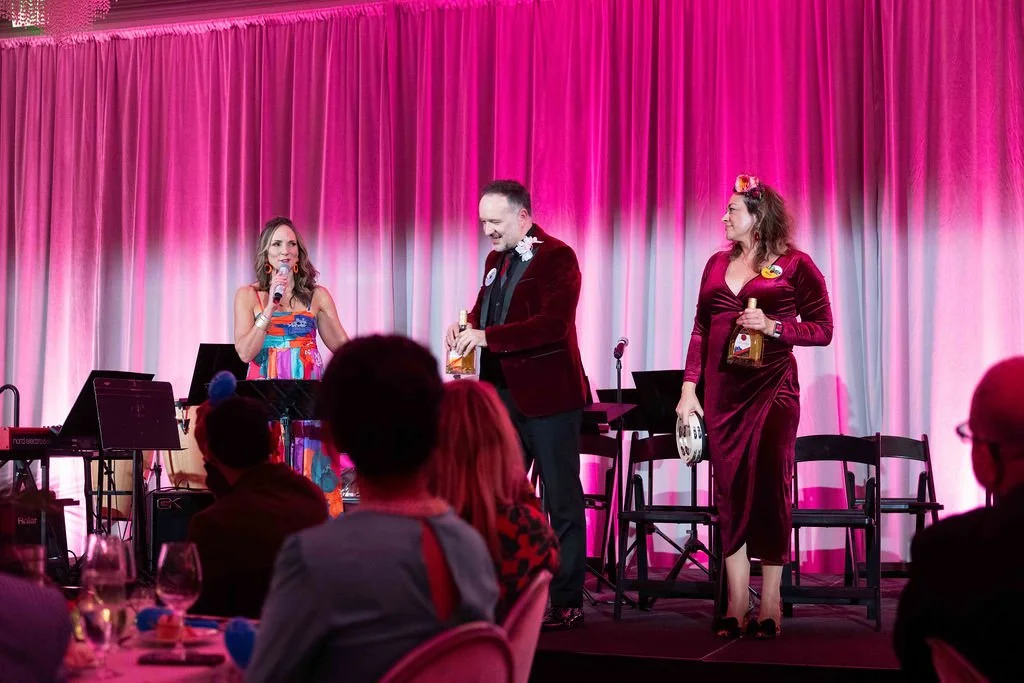
Professional benefit auctioneer leading paddle raise
Step 1: Define Clear Revenue Goals for Your Nonprofit Fundraising Event
Before you secure a venue or solicit a single auction item, define your revenue targets.
Ask:
What is our total fundraising goal?
How much should come from sponsorships?
How much from ticket sales?
How much from live auction?
How much from silent auction?
How much from paddle raise (fund-a-need)?
A strong charity auction strategy allocates revenue intentionally.
For example:
Sponsorships: 40–60% of total goal
Paddle Raise: 20–35%
Live Auction: 15–25%
Silent Auction: 10–20%
These percentages vary by organization size, but structuring revenue sources prevents over-reliance on one segment.
For deeper planning support, explore the Auction Packages and Fundraising Services page.
Step 2: Build the Right Event Timeline (The Run-of-Show)
One of the most overlooked aspects of nonprofit fundraising event planning is timeline sequencing.
Here’s a high-performing gala structure:
5:30 PM – Cocktail Reception (60–75 minutes)
6:45 PM – Welcome & Mission Moment
7:00 PM – Dinner Begins
7:30 PM – Emotional Video/ Speaker
7:45 PM - Paddle Raise/ Fund-A-Need
8:00 PM – Live Auction
8:30 PM – Closing & Thank You
Notice what’s missing?
No 9PM fundraising.
Energy peaks earlier than most organizations assume.
When you delay your live auction or paddle raise until after extended programming, you reduce participation and average gift size.
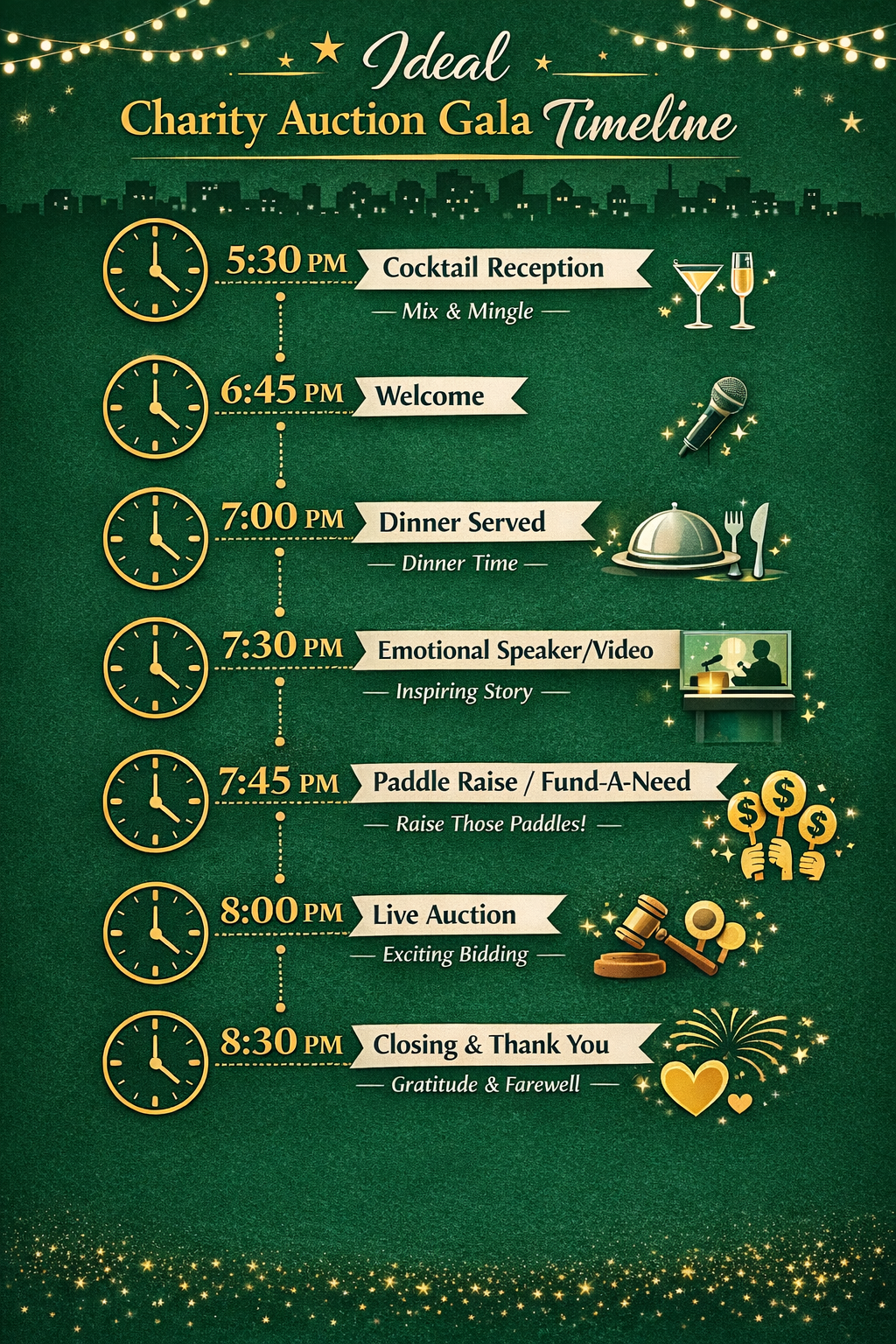
Nonprofit gala event timeline graphic
Step 3: Determine the Ideal Number of Auction Items
More items do not equal more revenue.
In fact, too many silent auction items dilute bidding competition.
Recommended guidelines:
Silent Auction: 20–40 curated items
Live Auction: 4–7 strong, competitive packages
Focus on:
Unique experiences
Emotional relevance
Scarcity
Broad appeal
Avoid:
Overstocked baskets
Redundant items
Low-value filler packages
For more on item selection and strategy, visit the Auction Academy.
Step 4: Leverage Donor Psychology in Your Gala Fundraiser
Fundraising is behavioral.
Understanding donor psychology improves revenue.
Key principles:
Emotional Sequencing
Place your strongest mission story immediately before your paddle raise.
Social Proof
Display paddle numbers prominently. Encourage visible participation.
Momentum
Keep auction items moving quickly. Long pauses stall bidding energy.
Scarcity
Limited items increase competitive bidding.
A professional benefit auctioneer guides this dynamic in real time — adjusting pacing, tone, and emotional cadence.
Step 5: Design a Powerful Paddle Raise (Fund-A-Need)
Your paddle raise is often the most profitable segment of the evening.
Structure it with:
Clear giving levels
Specific impact statements
Visible fundraising thermometer or live total
Strong storytelling
For example:
$25,000 — Funds a full scholarship
$10,000 — Supports a family for one year
$5,000 — Covers program supplies
Specificity increases participation.
If you're unsure how to structure giving tiers, review the detailed strategy breakdown in our blog on paddle raise sequencing.
Step 6: Hire the Right Benefit Auctioneer
Your auctioneer is not just a speaker.
They are:
Revenue strategist
Energy manager
Behavioral guide
Momentum protector
When evaluating a professional, ask:
Do they specialize in nonprofit fundraising events?
Do they consult on event structure?
Do they provide data insights?
You can explore professional benefit auctioneer services here:
https://giving4goodevents.com
Step 7: Budget Planning for a Charity Auction
Expenses typically include:
Venue
Catering
AV and production
Auctioneer
Technology platform
Marketing and print materials
A strong event budget aims for at least a 3:1 return ratio.
If your event costs $150,000 to produce, your goal should exceed $450,000 in gross revenue.
Budget clarity protects mission impact.
Step 8: Post-Event Data Analysis
The most overlooked step in nonprofit fundraising event planning?
Reviewing the data.
After your charity auction:
Analyze participation rate
Review average bid increase
Compare giving levels year-over-year
Evaluate timing effectiveness
High-performing nonprofits continuously refine their gala strategy.
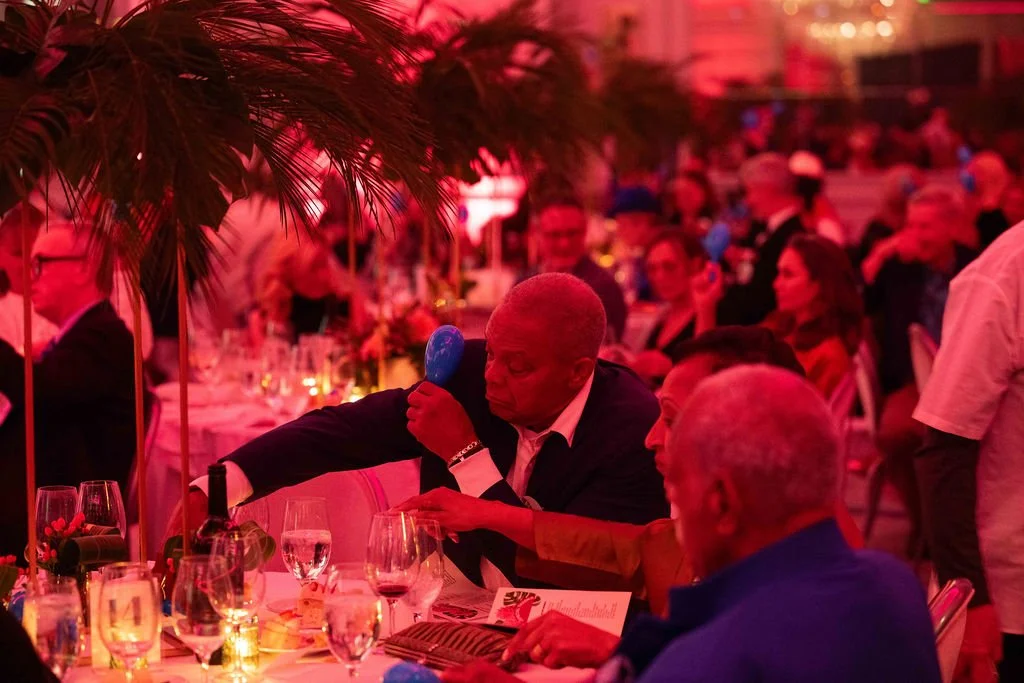
Packed ballroom during live auction moment
Final Thoughts: Charity Auction Success Is Strategic
A successful nonprofit gala is not just a beautiful evening.
It is a carefully structured revenue strategy built around:
Timing
Psychology
Data
Clear revenue allocation
Intentional sequencing
If you are planning a benefit auction this year, take the time to design your event strategically.
Revenue growth is rarely about adding more.
It’s about refining what matters.
For guidance, consulting, and strategic event planning support, explore resources at:
https://giving4goodevents.com